
Exploring Bungalow Living in Dubai: A Comprehensive Analysis


Intro
Bungalow living in Dubai presents a unique blend of comfort, style, and community spirit. From its architectural character to the lifestyle it fosters, bungalows offer an appealing alternative to high-rise living in the bustling emirate. This section serves as a primer, setting the stage for a deeper exploration into the factors that shape the popularity of these homes.
In Dubai's diverse real estate terrain, understanding the nuances of bungalow living is crucial, especially for potential residents and savvy investors. Bungalows, often characterized by their single-story design and sprawling outdoor spaces, resonate well with families and expatriates seeking a quieter, more harmonious living environment, away from the frenetic pace of urban life.
As we delve into the intricate details of bungalow living, we’ll dissect elements like market trends, community dynamics, and investment potential. To navigate this topic effectively, it’s essential to grasp how bungalows fit within Dubai's unique architectural landscape and real estate market.
The next section will provide insight into current market trends and analysis, including a comprehensive review of the environment that shapes the demand for bungalow homes.
Prelims to Bungalow Living
Bungalow living in Dubai is not just a housing choice; it embodies a lifestyle steeped in history and rich with cultural significance. As more individuals and families are drawn to the idea of living in a cozy, single-story home, understanding the unique facets of bungalow living becomes crucial for potential residents and investors alike. This article aims to peel back the layers surrounding bungalow living, providing insights into its architectural merits, community feel, and investment potential.
Defining Bungalow Living
At its core, a bungalow is characterized by its single-story design, often featuring wide verandas and space-efficient layouts, ideal for both families and expatriates. Unlike multi-story residences that can feel imposing, bungalows offer an intimate feel – a sanctuary where one can retreat from the hustle and bustle of city life.
The layout of a bungalow typically promotes fluid living, with interconnected areas that encourage interaction among family members. Such homes often feature open floor plans, making them suitable for entertaining guests while maintaining family connectivity, a valued aspect in the community-oriented culture of Dubai.
In addition, many bungalows are designed to embrace natural light and outdoor spaces, with large windows that create a seamless transition between indoor and outdoor living. This thoughtful design is not merely aesthetic; it aligns with the Dubai lifestyle, where sunshine is abundant and outdoor gatherings are a regular affair.
Historical Context of Bungalows
The roots of bungalow living can be traced back to the British colonial era, when the term 'bungalow' was first used to describe modest, single-family homes in India. The concept spread to the western world, evolving into various styles influenced by cultural preferences and climatic needs. In Dubai, bungalows have taken on a unique character of their own, merging traditional Arab architectural elements with modern functions.
During the mid-20th century, as Dubai began its transformation from a small trading port into a global metropolis, bungalows became a popular residential choice. They provided comfortable living spaces within tranquil neighborhoods, often surrounded by green landscapes and community parks. In a city where lighter, airy homes are appealing against the scorching heat, bungalows fit perfectly within the environmental context.
The cultural evolution of Dubai has also influenced the appeal of bungalows. As expatriates seeking a sense of belonging flock to the emirate, these homes represent more than just a dwelling; they signify community, stability, and a relaxed lifestyle—a stark contrast to the high-rise living and fast-paced nature of urban condos.
Emphasizing that this niche offers security and serenity, bungalows are ideally situated for families with children, often found near schools and recreational facilities. Hence, in the broader narrative of Dubai's development, bungalows have carved out a respected niche, merging past influences with contemporary living, ultimately enriching the urban tapestry.
The Architectural Charm of Bungalows
Bungalows exemplify a unique architectural charm that resonates deeply, especially within the vibrant context of Dubai's real estate landscape. This allure does not just stem from aesthetic appeal but encompasses functional aspects that attract discerning buyers and renters alike. The design elements and material choices in bungalows offer a distinct character that separates them from more conventional multi-story homes, creating both a cozy atmosphere and a strong community feel. In a city known for its skyscrapers, the lower profile of bungalows offers a breath of fresh air in terms of lifestyle.
Design Features and Aesthetics
When it comes to the design features of bungalows, several aspects stand out. One remarkable characteristic is the open floor plan, which lends itself well to both family gatherings and private moments alike. The seamless flow between living spaces allows for an airy feel that can be particularly soothing in Dubai’s often sweltering climate. High ceilings, large windows, and outdoor patios create a harmonious connection with nature, enabling inhabitants to enjoy the city's sunshine while maintaining their privacy.
Furthermore, many bungalows in Dubai incorporate traditional Arabian design elements, such as intricate mashrabiya screens and domed ceilings. This blend of modern and historical aesthetics attracts homeowners looking for authenticity in their living spaces. The sprawling layouts of bungalows also enable the inclusion of lush gardens—often a rarity in high-rise living—further enhancing the desirability of this architectural style.
Interestingly, consider a bungalow community such as Al Furjan, where homes often exhibit a mix of modern conveniences with Arabic style, providing a unique visual experience. It creates a sense of identity rooted in the local culture while meeting the demands of contemporary life.
Material Choices and Sustainability
Sustainable building practices are becoming increasingly important, and bungalows lend themselves well to eco-friendly material choices. Homeowners can choose from locally sourced materials, which not only reduces transportation emissions but also supports local economies. Natural stone, timber, and even recycled materials can often be integrated into the construction process, resulting in a reduced carbon footprint.
Moreover, the single-story nature of bungalows may allow for more efficient construction and energy use. Their spread-out design can accommodate passive cooling strategies, leveraging natural breeze patterns rather than relying solely on air conditioning—a significant consideration in the hot climates of Dubai.
In addition, green roofs and solar panels are gaining traction among eco-conscious buyers. Implementing such features not only adds to the aesthetic appeal but also lowers long-term energy costs. Bungalows with these advancements will likely attract investors keen on long-term sustainability.
A growing number of residents are looking for properties that reflect both luxury and responsibility; bungalows tick all the boxes for those seeking a balance between beauty and sustainability.

In summary, the architectural charm of bungalows in Dubai is a multi-layered concept that intertwines aesthetic grace with functional appeal. Through thoughtful design features and sustainable materials, they stand as strong contenders in the city's competitive real estate market.
Bungalow Neighborhoods in Dubai
Bungalow neighborhoods in Dubai represent a unique convergence of comfort, community, and aesthetics. These areas typically embody a mix of spacious homes, garden spaces, and a certain laid-back charm not always found in high-rise developments. They often appeal to families, expatriates, and anyone seeking a greater connection to their living environment. Integrating oneself into a community is vital in today’s fast-paced urban landscape. Bungalow neighborhoods foster connections that extend beyond mere proximity; they cultivate a lifestyle rich in shared experiences, social engagements, and a sense of belonging.
Popular Bungalow Communities
In Dubai, several bungalow communities stand out for their appeal and functionality. Among these, the Jumeirah neighborhood consistently garners attention. Known for its tree-lined streets and proximity to the beach, Jumeirah blends luxury with the everyday. Properties here often boast ample outdoor space, allowing families to enjoy Dubai's warm climate. Another notable area is Al Safa, which offers a vibrant atmosphere complete with art galleries and parks, making it a favorite for the creatively inclined.
Palm Jumeirah, while known for its opulent lifestyle, offers a select few bungalows that provide a pinch of tranquility amidst the high-end hustle and bustle.
Lastly, the serene enclave of Al Quoz not only focuses on bungalows but also serves as a cultural hub with art spaces and community events that foster a deep sense of engagement among residents. Each of these areas showcases a unique blend of attributes catering to diverse preferences and lifestyle choices.
Access to Amenities and Services
Educational Institutions
The presence of quality educational institutions is a hallmark of any thriving neighborhood. In the context of bungalow living in Dubai, families often prioritize access to schools as a deciding factor in choosing their residence. Numerous international schools, such as the Dubai American Academy and Jumeirah English Speaking School, cater to varying curricula, from British to American, appealing to expatriate families seeking familiar educational standards. The high standard of education and availability of extracurricular activities is a major pull for families, making these bungalows quite popular.
However, selecting a school based on proximity or reputation often leads to unplanned application competition, and this can be a downside for families who might be new to the city. Thus, the balance between academic quality and convenience remains an essential consideration.
Healthcare Facilities
Access to healthcare can make a world of difference in ensuring peace of mind for residents. Bungalow neighborhoods in Dubai are typically well-positioned near world-class healthcare facilities like the American Hospital Dubai and Mediclinic City Hospital. These institutions provide a range of services, from specialists to emergency care, contributing to the well-being of the community as a whole.
However, while healthcare availability offers essential reassurance, the proximity might lead to congestion, especially in times of need. This factor might be a concern for families who favor quieter environments for recovery or regular check-ups, revealing a nuanced aspect of living in such vibrant neighborhoods.
Retail and Leisure Options
The retail and leisure prospects in bungalow communities add another layer of desirability. Popular areas usually host a variety of shopping centers, restaurants, and recreation facilities. For instance, the Mall of the Emirates offers not just shopping, but also dining and entertainment options, making it a central location for both locals and visitors to unwind. Bungalows in neighborhoods like Dubai Marina also provide easy access to the waterfront, beaches, and various dining locales that cater to all tastes.
On the flip side, the bustling commercial zones could produce noise and traffic, leading to potential inconveniences for some residents. Nevertheless, the convenience of having a mix of retail and entertainment options at one's doorstep usually outweighs these concerns for many, adding to the overall appeal of bungalow living in Dubai.
Market Trends in Bungalow Living
The real estate landscape in Dubai is a dynamic one, reflected in the rising interest in bungalow living. With its unique architectural style and community-oriented setups, bungalows have captured the attention of both homebuyers and investors. Understanding the market trends surrounding this form of housing is essential for those looking to plant their roots or grow their property portfolio in this vibrant city.
Bungalows are more than just a housing choice; they represent a lifestyle. Buyers are drawn to the sprawling gardens, open spaces, and the intimacy that single-floor living can offer. As urban areas increasingly become congested, many people are turning to bungalows as an answer for boundary and comfort. This shift in preference speaks volumes about the broader real-estate patterns, ultimately affecting market viability.
Current Demand and Supply Dynamics
The demand for bungalows in Dubai has seen a notable uptick, particularly among expatriates and families seeking a serene environment. Several factors contribute to this increase in demand:
- Lifestyle Appeal: Many families prefer the spaciousness of bungalows over high-rise apartments, valuing indoor-outdoor living and a sense of community.
- Changing Demographics: A growing section of the population comprises young families who prioritize safety and community over urban hustle.
- Increased Remote Work Culture: As remote work becomes the norm, more individuals are looking for homes with dedicated spaces for work, making the layout of bungalows appealing.
However, supply has not kept pace with demand. While several developments are underway, the construction of bungalows is not as prolific as typical multi-story buildings. This disparity has caused prices to increase in sought-after locations.
"In the dynamic real estate market of Dubai, bungalows are becoming a rare gem, sought after by those wanting more than just a roof above their heads."
Investors looking into bungalow properties should watch the specific neighborhoods that tend to attract families or expatriates. Areas like Jumeirah and Al Barsha have shown considerable growth trends, further backed by infrastructure and accessibility.
Investment Potential and ROI
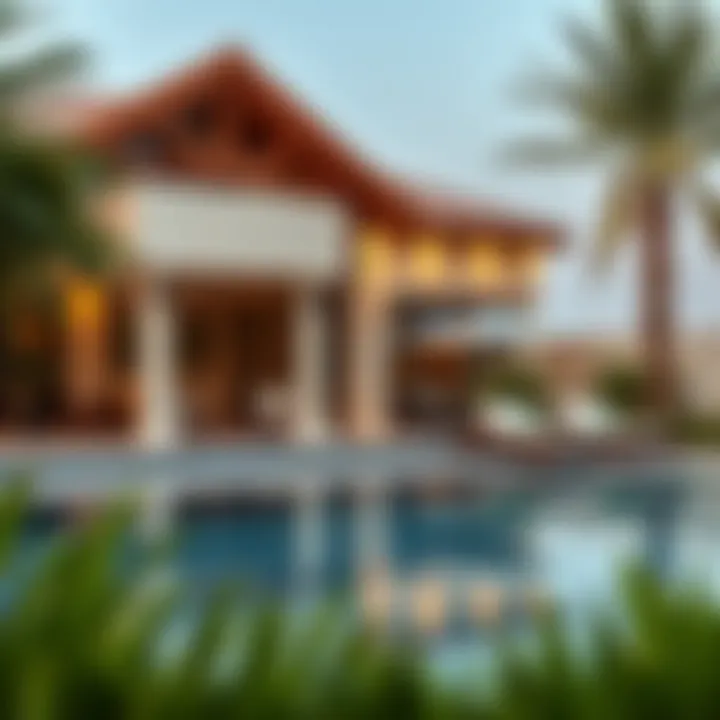
Investing in bungalow living in Dubai presents a mix of opportunities and challenges. Given the current market trends, it’s vital to evaluate where the potential is strongest:
- Appreciation Potential: Bungalows in established neighborhoods often appreciate faster than multi-story buildings. Buyers looking to invest in properties that hold their value would benefit from this aspect.
- Rental Demand: With a surge in expatriate families seeking homes with family-friendly amenities, bungalows can yield a substantial rental income. Investors can capture a lucrative tenant pool as long-term rentals become increasingly attractive.
- Resale Potential: Should you ever decide to sell, the demand for bungalows signals a positive resale value, as fewer options typically mean more buyers competing for a limited supply.
To truly capitalize on these benefits, investors must remain informed about market conditions, trends, and property valuations. Frequent research and engagement with local real estate experts can lead to well-informed decisions.
Lifestyle Considerations
Bungalow living in Dubai offers not just a roof over your head but a lifestyle woven into the fabric of the city’s diverse culture. This section delves into the intricacies of living in a bungalow, examining how such homes cater to modern family dynamics and promote an outdoor-centric lifestyle. These factors are crucial for families as well as individuals seeking a well-rounded way to enjoy life in a bustling metropolis.
Living Space and Family Dynamics
One of the first things one notices about bungalows is their spacious layout. Unlike high-rise apartments, bungalows typically feature fewer stories, promoting a sense of openness and accessibility. This design aspect is particularly beneficial for families. With multiple bedrooms and communal spaces designed for interaction, bungalows can easily accommodate the rhythm of family life.
Families often find that the welcoming nature of a bungalow enhances their day-to-day interactions. For example, one parent might be cooking in the kitchen while another helps children with homework in the living room, all within earshot of one another. This environment fosters connections and makes daily life a tad more harmonious.
Furthermore, the ground-level design eliminates concerns associated with stairs, making it more navigable for elderly family members or young children. In communities where bungalows are prevalent, such as Jumeirah and Al Wasl, it’s common to see neighbors engaging in yard work, children playing, or families hosting barbecues, reinforcing a local community spirit that is often absent in taller apartment buildings.
Outdoor Living and Green Spaces
If you're looking for a breath of fresh air, bungalow living often allows for more outdoor space than other types of dwellings. Many bungalows come with their own private gardens or courtyards, providing a perfect spot for residents to unwind. These outdoor spaces can be tailored to individual tastes, be it through landscaping, planting a vegetable garden, or setting up a cozy lounge area for evening discussions.
The significance of green space cannot be overstated, particularly in urban settings prone to the heat island effect. Bungalows, which typically include some garden area, contribute positively here. Homeowners can cultivate a private oasis, which has profound benefits for mental health. Furthermore, community parks often surround bungalow neighborhoods, offering additional green areas suited for family gatherings and recreational activities.
Outdoor living spaces also serve as a venue for hosting guests, allowing for socialization in a relaxed atmosphere under the Dubai sky. In neighborhoods like Arabian Ranches, you'll often find bungalows designed with patios specifically for outdoor entertaining, encouraging a more laid-back and friendly feel compared to high-rise living.
Environmental Impact of Bungalow Living
Understanding the environmental impact of bungalow living is essential, especially in a rapidly developing city like Dubai. As developers and homeowners consider the implications of their choices, they must factor in sustainability, energy efficiency, and the general ecological footprint of their buildings. In this discussion, we will delve into sustainable building practices and how bungalows relate to the phenomenon known as urban heat islands. Each aspect is crucial not only for preserving the local environment but also for promoting healthier communities and reducing long-term costs for residents.
Sustainable Building Practices
When one thinks of sustainable building practices, the focus often shifts towards innovative materials and methodologies that support a harmonious relationship between homes and the environment. Bungalow living is no exception to this rule, as many recent constructions have shifted towards using eco-friendly materials and energy-efficient systems. Here are some of the practices commonly adopted:
- Use of Local Materials: Utilizing materials sourced from the surrounding areas markedly cuts down on transportation emissions and supports the local economy. This could include stones, woods, and even recycled materials.
- Energy-Efficient Technologies: Smart home technologies are being integrated into bungalow designs. This may encompass solar panels, energy-efficient windows, and effective insulation that not just reduces energy consumption but also minimizes reliance on non-renewable resources.
- Water Conservation Methods: Rainwater harvesting systems are becoming more prevalent in many new bungalows. Collecting and reusing rainwater for irrigation or even domestic purposes can alleviate the pressure on Dubai’s water supply.
- Landscaping with Native Plants: The planting of indigenous flora can significantly reduce water usage and the need for fertilizers and pesticides. Native plants are often more drought-resistant, requiring less maintenance in arid conditions.
Such steps not only champion environmental friendliness but also enhance the overall appeal of the bungalow communities in Dubai. People are increasingly more aware of their ecological footprint, and choosing sustainable practices can often translate into upward mobility of property value.
Bungalows and Urban Heat Islands
The urban heat island (UHI) effect is a phenomenon where urban areas experience higher temperatures than their rural counterparts, primarily due to human activities and land modifications. In areas like Dubai, bungalows can play a crucial role in mitigating some of the negative impacts of UHI. Here are a few considerations:
- Green Roofs and Walls: Some bungalows are designed with green roofs or living walls, which absorb sunlight and reduce heat absorption. They can greatly improve thermal performance and provide recreational spaces for residents.
- Open Spaces and Gardens: Bungalows typically come with more surrounding land compared to apartments or high-rises. This green area allows for gardens and shade trees, which can relieve heat. These natural spaces can contribute to cooler air and promote biodiversity.
- Reduced Heat Reflection: Many bungalow designs utilize lighter colors for roofing and exterior, helping reflect sunlight rather than absorbing it. A simple choice of paint or roofing material can make a much bigger impact than one might think.
- Community Planning: Bungalow neighborhoods often enable better city planning. In contrast to high-density high-rises, these properties allow for strategically placed spaces for ventilation and cool air circulation.
"Designing bungalows with sustainability at their core can express a commitment not just to aesthetic appeal but also to the earth, making it a win-win situation for investors and residents alike."
For further information on urban heat islands, explore resources from Wikimedia and the Environmental Protection Agency for actionable insights on sustainability in building practices.
Challenges of Bungalow Living
Living in a bungalow can bring its fair share of challenges, particularly in a fast-paced city like Dubai. While the distinctive architectural style and laid-back lifestyle are appealing, potential residents and investors must seriously consider various obstacles that could impact their decision to live or invest in such properties. Understanding these challenges is critical. Not only do they help potential homeowners and investors make informed decisions, but they also cast light on broader market trends that could affect bungalow living in the future.
Regulatory Constraints


One of the most significant challenges of bungalow living in Dubai is navigating the complex web of regulatory constraints. The real estate sector in Dubai is highly regulated to ensure urban development adheres to certain standards. These regulations can affect everything from land use and zoning laws to construction permits and building codes.
For example, there are strict guidelines regarding the height and type of buildings allowed in residential areas, particularly in more densely populated districts. Potential bungalow buyers should be aware that these constraints are not merely bureaucratic inconveniences; they can significantly influence the feasibility of their projects. Furthermore, the need for compliance can lead to increased costs and prolonged timelines for construction and renovation projects.
Investors might also find that it’s not just about the houses themselves. Some communities have homeowner associations with rules that dictate aspects of property aesthetics or landscaping, adding an extra layer of complexity. For those set on buying a bungalow as an investment, these regulations may hinder potential returns if they impede the property's marketability or rental attractiveness.
Market Saturation Risks
Saturation in the market can be another challenging facet of bungalow living. As more buyers flock to Dubai's burgeoning real estate market, certain neighborhoods may become oversaturated with similar property types. This is particularly relevant for bungalows, often viewed as a lifestyle choice rather than mere living spaces.
If you consider investing in a bungalow, it’s crucial to assess whether the demand for such properties in your desired area remains high. With additional developments focusing on modern apartments and luxury high-rises, the appeal of bungalows may wane if not adequately differentiated.
Interestingly, market saturation doesn't just dilute property value; it directly impacts rental rates and resale potential. For instance, if every second property in a neighborhood is a bungalow, potential renters or buyers may have less incentive to choose yours despite its unique features. Further, landlords may face stiff competition, making it essential to incorporate appealing design elements and amenities to stand out.
In summary, while bungalow living in Dubai offers unique advantages, potential challenges—namely regulatory constraints and market saturation risks—should not be overlooked. Those interested in this lifestyle must proactively engage with these issues to navigate the landscape effectively, ensuring both personal satisfaction and financial viability.
Future of Bungalow Living in Dubai
The future of bungalow living in Dubai presents a fascinating narrative threaded through evolving societal norms, shifting architectural aesthetics, and the dynamics of the real estate market. This section emphasizes the significance of understanding how these factors play into investment decisions and lifestyle choices. Bungalows often symbolize a blend of nostalgia and modern living, serving as a compass for those navigating Dubai’s unique property landscape. As urban density rises and environmental considerations loom large, the allure of bungalow life grows stronger for families and expatriates alike.
Evolving Design Trends
The world of design is constantly in flux, yet some trends within corresponding with the bungalow style are more persistent. An increasing demand for sustainability is shaping the architectural landscape. Builders and architects are incorporating eco-friendly materials and energy-efficient technologies into their designs. This not only lowers the carbon footprint but also appeals to a growing audience of environmentally-conscious investors.
For instance, the use of reclaimed wood, natural stone, and even local materials is becoming more common, marrying aesthetics with functionality. Moreover, open floor plans and biophilic design—those inspired by nature—are gaining traction. Such trends not only maximize usable space but also integrate green elements, allowing homeowners to enjoy the outdoors from the comfort of their living rooms.
Bungalows in Dubai are adapting to these innovative designs, blending contemporary styles with traditional influences, thus promising an interesting hybrid model of residential living. With outdoor spaces becoming crucial for families, incorporating terraces and gardens into the design will likely become even more prevalent. Additionally, smart home technology is carving a niche in bungalow living, offering inhabitants control over their living environments, from lighting to temperature. The integration of these technologies enhances the overall appeal of bungalow properties, amplifying their practicality and desirability.
Anticipated Market Changes
The market for bungalows in Dubai isn't just a matter of preference—it's intricately tied to broader economic tides. As the population continues to grow, the demand for spacious living arrangements is set to rise. This can create a ripple effect where bungalow prices follow suit, presenting both opportunities and challenges for prospective buyers.
Economists indicate that the urban sprawl may push buyers toward the outskirts of the city, where bungalow communities are more established and available land persists. Investors should keep a keen eye on these developments, as areas once deemed out of reach may soon emerge as desirable locales, especially with improved infrastructure and amenities.
Here are noteworthy points to consider about anticipated market changes:
- Population Growth: As more expats call Dubai home, demand for diverse housing-options intensifies.
- Urban Development Plans: Government initiatives will likely launch new housing projects, affecting supply and demand.
- Economic Factors: Interest rates, mortgage availability, and economic stability will influence buying power and investment strategy.
This situational awareness will empower potential investors and homeowners to make informed decisions regarding their bungalow living aspirations in a fast-evolving market. Keeping abreast of these market shifts is vital, as they will shape the trajectory of bungalow living in Dubai for years to come.
End
The culmination of this exploration into bungalow living in Dubai reveals a multifaceted narrative that aligns with the aspirations of diverse groups. Understanding this lifestyle choice carries a considerable weight for prospective homeowners, investors, and expatriates navigating the vibrant real estate landscape of the city. In essence, bungalow living in Dubai isn't just about having a roof over one's head, but rather about enriching one’s lifestyle through a connected community and spacious living.
Summary of Key Insights
In summarizing the insights gleaned from this in-depth analysis, several key observations stand out:
- Architectural Appeal: Bungalows incorporate distinct designs and aesthetics, promoting not just comfort but also a unique charm that resonates well with the cultural fabric of Dubai.
- Community and Lifestyle: Many of Dubai's bungalow neighborhoods offer a sense of belonging, underscored by communal spaces and accessibility to essential amenities. Liveability rises here, enhancing family dynamics and outdoor experiences.
- Investment Viability: The property market for bungalows presents compelling opportunities. With rising demand amidst limited supply, there's a promising potential for a lucrative return on investment.
- Sustainability: An increasing emphasis on eco-friendly building practices is changing how bungalows are constructed and integrated into their environments, addressing urban heat challenges and reinforcing a commitment to green living.
“Choosing to live in a bungalow can be a pathway to a more fulfilling lifestyle, offering not just a home, but a vibrant community and a sense of place.”
Final Thoughts on Investment Opportunities
When viewing the investment landscape in Dubai, bungalows represent a niche that is not only attractive from a lifestyle perspective but also financially promising. Investors should consider:
- Market Stability: As demand for larger living spaces continues to trend upward, the bungalows, with their ample outdoor areas, are becoming ever more appealing.
- Diverse Buyer Pool: Families, expatriates, and retirees seeking to enjoy a slower pace in urban settings tend to prefer bungalow-style homes, thereby enhancing the market's stability.
- Potential for Value Appreciation: Given the ongoing developments in infrastructure and community amenities around such properties, purchasing a bungalow can lead to a notable appreciation in value over time.
- Adaptability: These properties often allow for easy modifications and expansions, enabling owners to tailor their homes to suit evolving needs.
For further understanding of the dynamics in Dubai's property market, resources like Dubai Land Department and community insights on platforms such as Reddit can provide valuable supplementary information.